
What Is the Metaverse and How Can You Enter It?
Have you ever heard the word metaverse and thought — “What on earth does that actually mean?” You’re not alone. Since tech giants started throwing this term around, billions of people have been left wondering if it’s a video game, a social network, or just some far-off sci-fi dream.
Here’s the short answer: the metaverse is a shared, interactive digital world where you can work, play, shop, and socialize — sometimes using a virtual reality headset, sometimes just through your phone or computer screen.
But there’s a lot more to it. Let’s break it all down, step by step, in plain English.
What Is the Metaverse? (Metaverse Meaning Explained Simply)
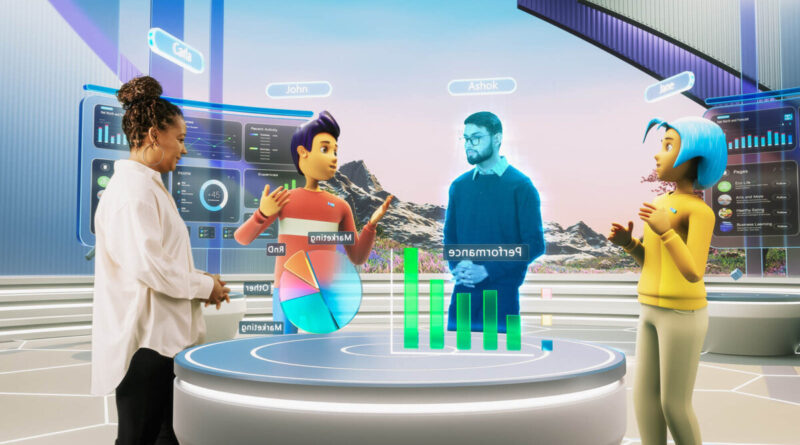
Featured Snippet Paragraph: The metaverse is a term used to describe a network of virtual, 3D digital worlds where people can interact in real time using avatars. Think of it as the internet, but instead of browsing flat web pages, you’re actually inside a digital space — attending concerts, attending meetings, buying digital land, or playing games with friends from around the world.
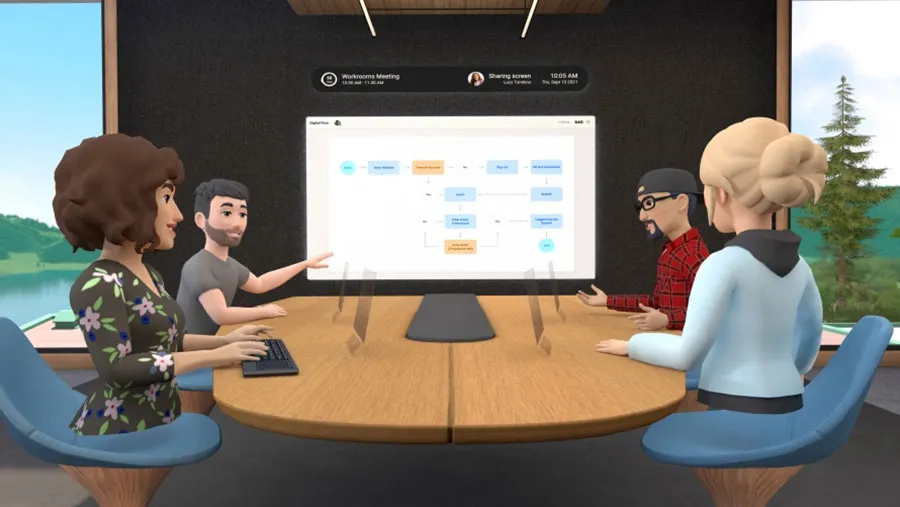
The word itself comes from a 1992 science fiction novel called Snow Crash by Neal Stephenson. In that story, people escaped into a virtual universe called the Metaverse. Fast forward to today, and tech companies are building something eerily similar.
When people say “define metaverse,” they usually mean a persistent, always-on digital environment. Unlike a regular video call or an online game that ends when you log off, the metaverse is supposed to keep existing — like the real world — even when you’re not there.
Some describe it as the “next version of the internet.” Others call it a digital twin of our physical world. Both descriptions are partially correct.
A Brief History: Where Did the Metaverse Come From?
The metaverse didn’t appear overnight. Its roots go back decades.
From Science Fiction to Silicon Valley
- 1992 — Neal Stephenson coins the term “metaverse” in Snow Crash
- 2003 — Second Life launches, offering one of the first real virtual worlds
- 2016 — Pokémon Go popularizes augmented reality at a massive scale
- 2021 — Facebook rebrands to Meta, putting the metaverse on the global map
- 2022–2024 — Major investments, disappointments, and a reality check
- 2025 — The metaverse evolves quietly through gaming, enterprise tools, and AI integration
The hype exploded in 2021. Then it cooled. But the technology kept moving.
What Happened to the Metaverse? (The Honest Answer)
A lot of people are asking, “What happened to the metaverse?” — and it’s a fair question.
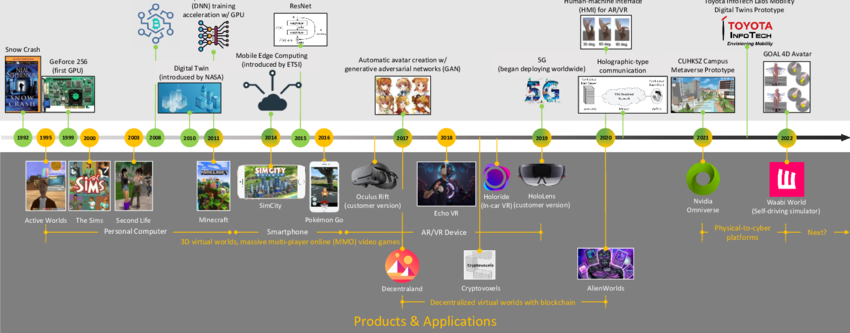
Around 2021–2022, Meta (Facebook’s parent company) invested over $36 billion into its metaverse platform called Horizon Worlds. The marketing was massive. The reality? Empty virtual rooms and clunky avatars.
By 2023, the buzz had faded. Layoffs hit metaverse teams. Several startups shut down. Microsoft cancelled its AltSpaceVR platform.
So Is the Metaverse Dead?
Not exactly. Here’s what actually happened:
- The consumer metaverse flopped — most people weren’t ready to strap on VR headsets to attend a work meeting
- Enterprise use cases quietly grew — companies adopted metaverse tools for training simulations, architecture, and manufacturing
- Gaming-based metaverses thrived — Roblox, Fortnite, and Minecraft continued to grow with millions of daily users
- AI + XR tech matured — extended reality (XR) tools got smarter and cheaper
The metaverse didn’t die. It just got more realistic about what it could do right now versus what it might do in the future.

Top Metaverse Platforms You Should Know About
There’s no single “the metaverse.” Instead, there are many competing metaverse platforms, each with its own community and purpose.
The Biggest Metaverse Platforms Today
| Platform | Best For | Device Required |
|---|---|---|
| Roblox | Gaming & socializing | PC, mobile |
| Fortnite | Gaming, concerts, events | Console, PC, mobile |
| Decentraland | NFT land ownership, events | Browser, PC |
| The Sandbox | NFT gaming, creator tools | PC, browser |
| Horizon Worlds | Social VR experiences | Meta Quest headset |
| VRChat | Social interaction | PC, VR headset |
| Spatial | Virtual workspaces | Browser, VR |
Each platform offers something different. Some are more focused on a metaverse game experience. Others lean toward professional use or NFT ownership.
Metaverse Virtual Reality: How Does It Actually Work?
The metaverse and virtual reality (VR) often get used together — but they’re not the same thing.
Virtual reality is a technology. The metaverse is a place (or concept). Think of VR as the vehicle and the metaverse as the destination.
Technologies That Power the Metaverse
- VR Headsets (like Meta Quest 3, Apple Vision Pro) — immersive 3D environments
- Augmented Reality (AR) — digital overlays on the real world (like Snapchat filters or AR glasses)
- Extended Reality (XR) — the umbrella term covering VR, AR, and mixed reality (MR)
- Blockchain & NFTs — allow ownership of digital assets inside metaverse worlds
- AI — powers smart NPCs, personalizes experiences, helps build virtual environments
- 5G & Cloud Computing — make real-time, large-scale virtual worlds possible
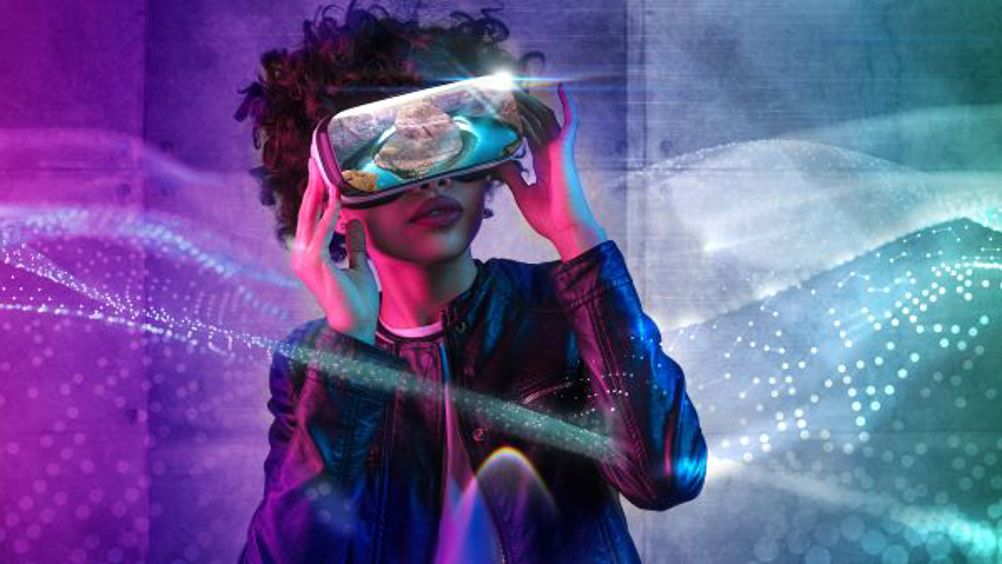
You don’t always need a VR headset to access metaverse platforms. Many work in a regular browser or on mobile. But full immersion usually requires some form of extended reality XR hardware.
NFTs and the Metaverse: What’s the Connection?
The NFT metaverse connection became one of the most talked-about — and misunderstood — topics of the early 2020s.
Here’s the simple version: in the physical world, you own things. You own your house, your car, your clothes. In a digital world, how do you really own something?
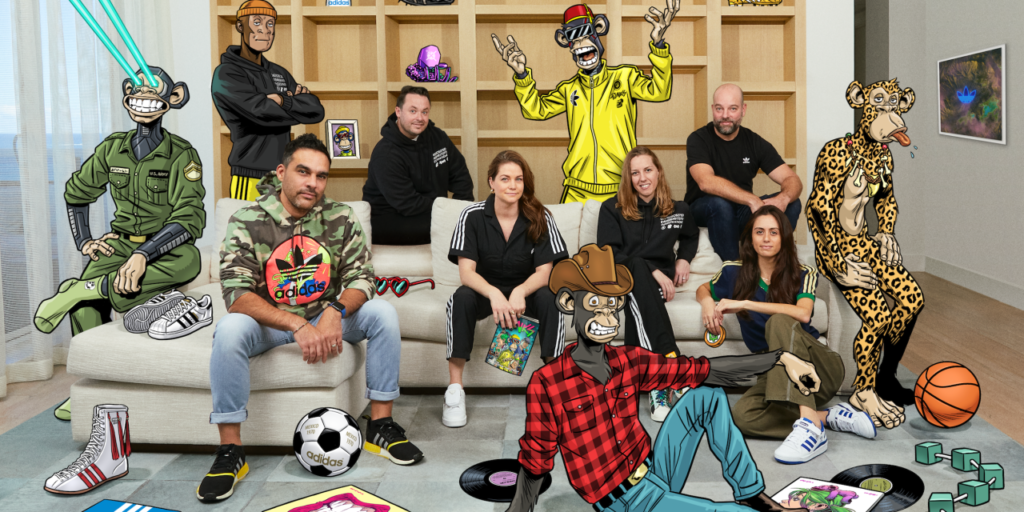
That’s where NFTs (Non-Fungible Tokens) come in. They’re blockchain-based certificates of ownership. In a metaverse context, an NFT might represent:
- A piece of virtual land in Decentraland
- A wearable outfit for your avatar
- A rare in-game item in The Sandbox
- A digital artwork displayed in your virtual home
The concept is genuinely interesting. The execution, in many cases, got very speculative and expensive very fast — which led to the 2022–2023 NFT crash.
Today, NFT-based ownership in metaverses still exists, but with much more grounded expectations.
Real-World Use Cases: Who Is Actually Using the Metaverse?
Beyond gaming and hype, the metaverse has some genuinely useful real-world applications. Let’s look at the most promising use cases today.
Education & Training
Companies like Walmart and the US military use VR-based simulations to train employees in safe, risk-free environments. Medical students practice surgeries. Pilots train in flight simulators. The metaverse makes high-stakes training much safer and more accessible.
Product Design & Manufacturing
This is one of the most exciting and underreported use cases. Engineers at companies like Ford, BMW, and Airbus use virtual environments to design and test products before building a single physical prototype. This is sometimes called a digital twin — a virtual replica of a real-world object or factory.
Product design manufacturing workflows in the metaverse save time, cut costs, and reduce waste enormously.
Remote Work & Collaboration
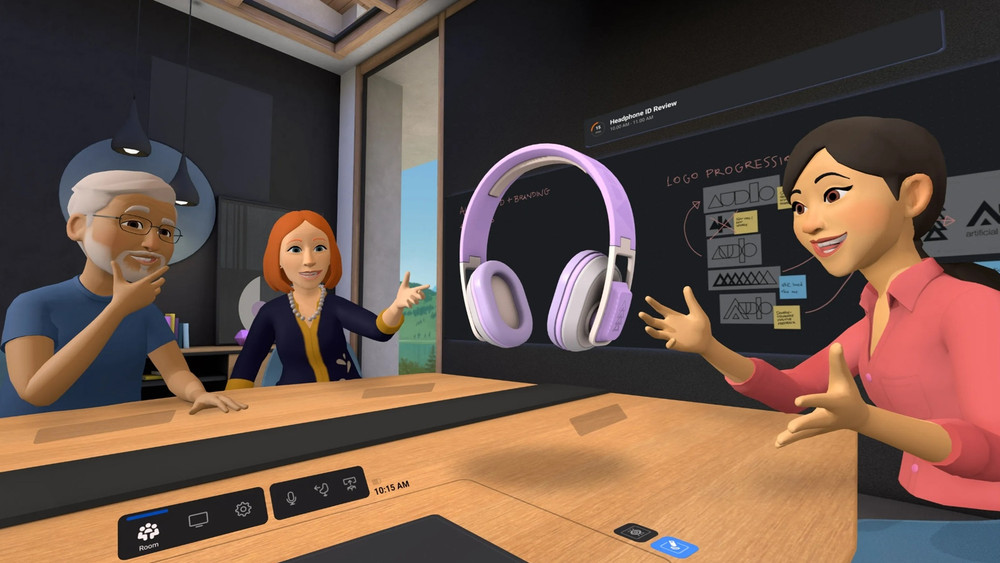
Virtual offices in platforms like Spatial or Meta Horizon Workrooms let teams collaborate in 3D, with more presence than a flat Zoom call. It’s not replacing offices yet, but it’s showing real promise for remote-first companies.
Entertainment & Events
Travis Scott’s concert in Fortnite attracted 12 million live viewers. Ariana Grande followed. The metaverse as an entertainment venue is already here — it just looks like a video game.
Healthcare
Therapy for phobias, PTSD treatment, and pain management are all being explored through VR-based metaverse tools. Some results from clinical trials are genuinely encouraging.
Metaverse Development: What’s Being Built Right Now?
Metaverse development is still very much active — just quieter than the 2021 frenzy.
Key areas of active development include:
- Interoperability — getting different metaverse platforms to “talk” to each other so your avatar and assets can move between worlds
- AI-generated environments — using artificial intelligence to build virtual spaces faster and cheaper
- Open standards — groups like the Metaverse Standards Forum are working to create shared technical rules
- Spatial computing — Apple’s Vision Pro has reignited interest in blending digital and physical space
- Mobile-first metaverse — most future metaverse growth will happen on smartphones, not VR headsets
The metaverse of 2030 will likely look very different from what we see today. But the foundation is being built now.

Metaverse News: What’s Happening in 2025?
The metaverse news cycle has shifted from hype to quiet progress. Here’s a snapshot of where things stand:
- Meta continues investing in mixed reality hardware and software, with the Quest 3 gaining solid reviews
- Apple Vision Pro launched and introduced “spatial computing” to a mainstream audience — a major XR milestone
- AI integration is becoming central to metaverse platform development
- Enterprise adoption is growing steadily in sectors like architecture, defense, and retail
- Gaming metaverses (Roblox, Fortnite, Minecraft) continue to be the most-used “metaverses” on the planet, even if they don’t always use that label
The metaverse is less a revolution and more an evolution — slowly weaving into digital life in ways most people don’t even notice.
Conclusion: Is the Metaverse Worth Your Attention?
So — what is the metaverse, really?
It’s a big idea that’s still finding its footing. Part gaming world, part virtual office, part digital ownership platform, part next-generation internet. It’s not as magical as the 2021 hype suggested — but it’s also not as dead as the 2023 skeptics claimed.
The honest truth: the metaverse is evolving. Some versions of it — especially in gaming, enterprise training, and product design — are delivering real value right now. The consumer-facing VR dream is still years away from mainstream adoption.
If you’re curious, the best thing to do is explore. Try Roblox. Look up a VRChat session. Check out what spatial computing can do. The metaverse isn’t one thing — it’s many things becoming something bigger, slowly, together.
- Metaverse Standards Forum — for interoperability info
- Meta’s Horizon platform — for platform details
- Gartner Hype Cycle for Emerging Technology — for tech maturity context
Frequently Asked Questions (FAQ Schema)
Q1: What is the metaverse in simple words?
The metaverse is a virtual digital world where people can interact, socialize, work, and play using avatars and immersive technology. Think of it as a 3D version of the internet that you can step inside.
Q2: Is the metaverse the same as virtual reality?
No. Virtual reality (VR) is a technology used to experience immersive digital environments. The metaverse is the broader concept — the digital world itself. VR is one way to access it, but you can also explore metaverse platforms on your phone or computer.
Q3: What happened to the metaverse?
After massive hype in 2021–2022, consumer interest dropped due to clunky hardware, high costs, and limited use cases. But metaverse technology kept developing quietly — especially in gaming, enterprise training, and spatial computing. It didn’t die; it matured.
Q4: What are the best metaverse platforms?
Popular platforms include Roblox (gaming/social), Fortnite (events/gaming), Decentraland (NFT-based world), The Sandbox (creator economy), Horizon Worlds (Meta’s VR platform), and VRChat (social VR).
Q5: What is an NFT in the metaverse?
An NFT (Non-Fungible Token) is a blockchain-based proof of ownership. In the metaverse, NFTs can represent virtual land, digital clothing, artwork, or in-game items — letting users truly “own” digital assets.