
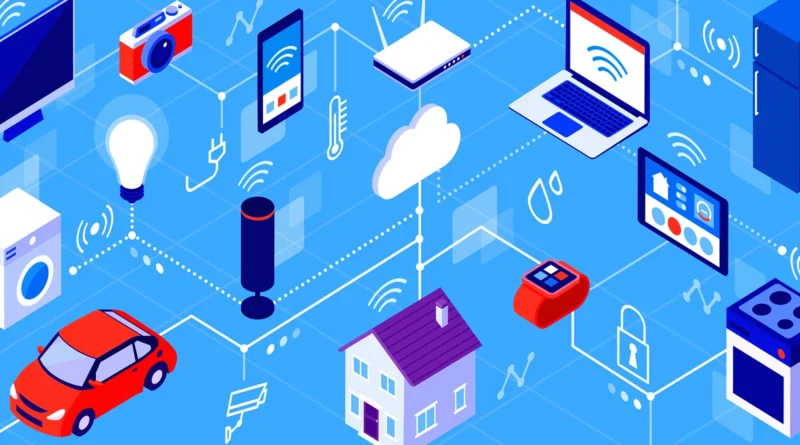
Top IoT Devices Changing Everyday Life in 2026
Imagine waking up and your coffee maker already started brewing because your alarm went off. Your thermostat adjusted itself overnight. Your front door unlocked when you arrived home. That is not science fiction — that is the world of IoT devices working quietly in the background. If you’ve ever wondered what IoT really means or how it affects your daily life, you are in exactly the right place.
In this guide, we’ll break down everything you need to know about IoT devices in simple, friendly language — no tech degree required. We’ll cover what IoT is, real-world examples, how IoT development works, why security matters, and much more. By the end, you’ll be able to talk about the Internet of Things like a pro.
What Is IoT? A Simple Definition Anyone Can Understand
IoT stands for Internet of Things. It refers to the network of physical devices — from household appliances to industrial machines — that are connected to the internet and can collect, share, and act on data. Put simply: everyday objects that can “talk” to each other and to you through the internet.
The term “Internet of Things” was coined by British technologist Kevin Ashton back in 1999. At the time, it sounded futuristic. Today, it is everywhere. From the smart watch on your wrist to the sensors monitoring a factory floor, IoT connects the physical world with the digital one.
Think of it this way: your regular fridge just keeps things cold. A smart fridge (an IoT device) can send you a notification when you’re running low on milk, suggest recipes based on what’s inside, or even order groceries automatically. That is the magic of adding internet connectivity to ordinary objects.
How Does an IoT Device Actually Work?
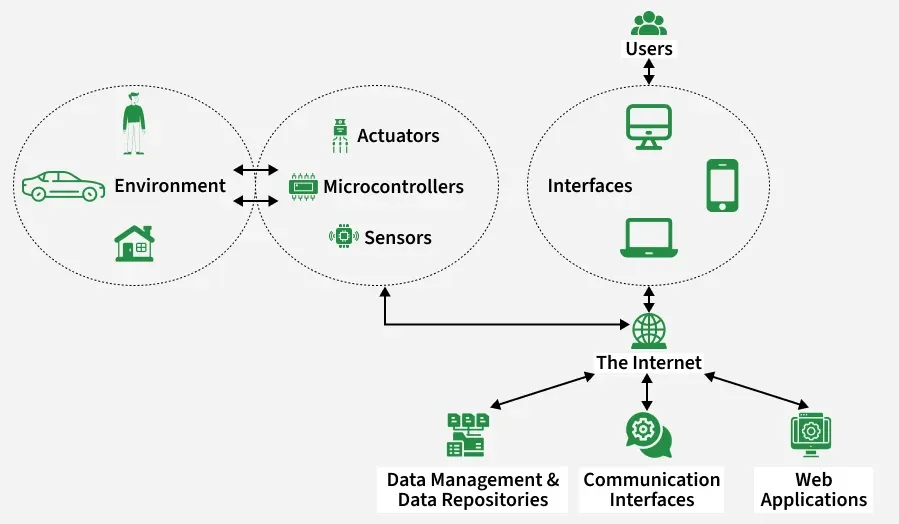
Every IoT device follows a simple loop:
- Sense — A sensor collects data from the real world (temperature, motion, light, etc.)
- Connect — The device sends that data over the internet or a local network
- Process — Software analyzes the data, often in the cloud
- Act — The device (or another system) responds — turning on a light, sending an alert, adjusting a setting
IoT Examples in Everyday Life You Probably Already Use
One of the best ways to understand IoT is through IoT examples you already encounter. You might be using more IoT devices than you realize right now.
| IoT Device | What It Does | Where You Find It |
|---|---|---|
| Smart Thermostat | Learns your schedule, saves energy | Home |
| Fitness Tracker | Tracks steps, heart rate, sleep | Wristband / Watch |
| Smart Speaker | Plays music, answers questions, controls devices | Kitchen, Living Room |
| Connected Car | GPS, diagnostics, remote start | Automobile |
| Smart Security Camera | Sends alerts, records footage remotely | Home, Office |
| Industrial Sensor | Monitors machinery health, predicts failures | Factory, Warehouse |
| Smart Meter | Tracks electricity/water usage in real time | Utility Infrastructure |
Internet of Things Examples in Business and Industry
IoT is not just for homes. Businesses across every sector are using internet of things examples to cut costs and improve services:
- Healthcare: Wearable monitors track patient vitals remotely, reducing hospital visits.
- Agriculture: Soil sensors tell farmers exactly when and where to water crops.
- Retail: Smart shelves automatically notify staff when stock is running low.
- Logistics: IoT asset tracking systems monitor the location and condition of shipments in real time.
- Smart Cities: Connected traffic lights reduce congestion, while smart bins alert waste collectors only when they’re actually full.
IoT Development: How Are These Smart Devices Built?
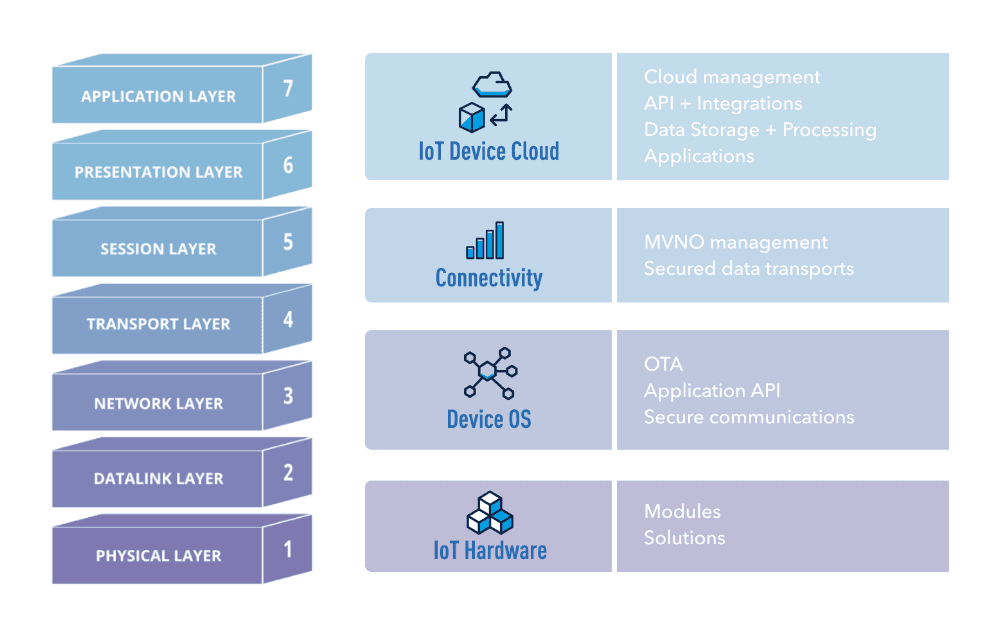
Ever wonder what goes into actually creating an IoT device? IoT development involves several layers working together — hardware, software, connectivity, and cloud platforms — and it is a fast-growing field with massive career opportunities.
Key Components of IoT Development
Building an IoT product is like assembling a puzzle. The major pieces include:
- Hardware: The physical device — microcontrollers (like Arduino or Raspberry Pi), sensors, and actuators.
- Firmware: Low-level software that runs on the device itself.
- Connectivity: The method devices use to communicate — Wi-Fi, Bluetooth, Zigbee, LoRaWAN, or 5G.
- Cloud Platform: Services like AWS IoT, Google Cloud IoT, or Azure IoT that store and process data.
- Application Layer: The app or dashboard you use to interact with the device.
Popular Tools and Platforms in IoT Development
Developers working in this space often use platforms like skills machine.net for device management, alongside cloud providers and open-source frameworks. The ecosystem is rich and constantly evolving, which is part of what makes IoT development such an exciting career path right now.
“IoT development is one of the fastest-growing areas in software engineering, blending embedded systems, cloud computing, and user experience design into one discipline.”
IoT Device Security: The Risks You Should Know About
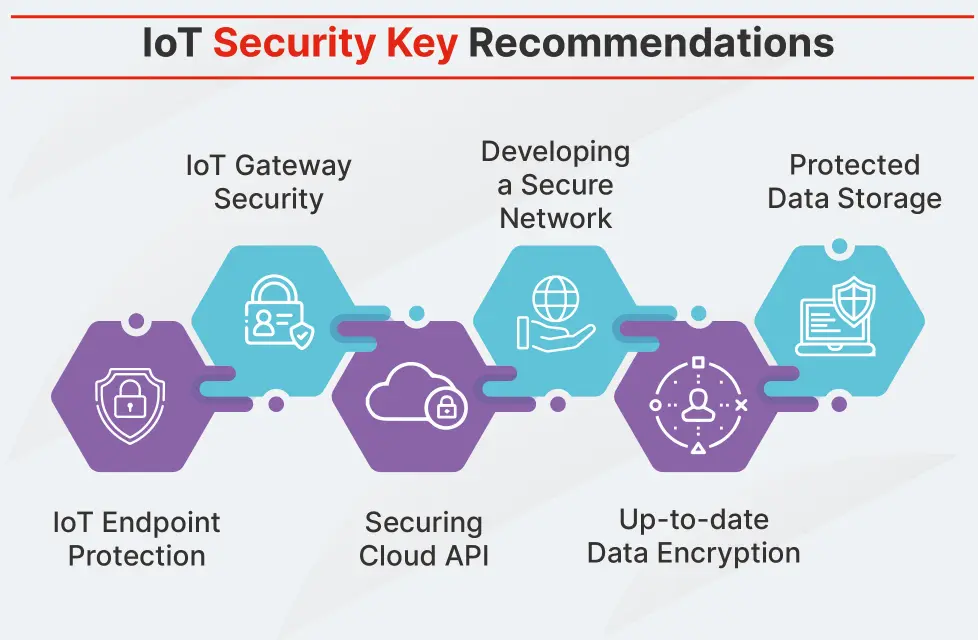
Here is something many people don’t think about until it is too late: IoT device security is one of the biggest challenges in the tech world right now. When you connect a device to the internet, you are also potentially opening a door for hackers.
In 2021, researchers discovered that a fish tank thermometer in a casino was hacked — and used as a backdoor to steal data from the casino’s network. That story perfectly illustrates why security cannot be an afterthought in IoT.
Common IoT Security Vulnerabilities
- Weak default passwords — Many devices ship with simple passwords like “admin” or “1234” that users never change.
- Unencrypted data transmission — Some devices send data over the network without proper encryption.
- Outdated firmware — Devices that never receive software updates become easy targets over time.
- Poor network segmentation — When IoT devices share the same network as sensitive computers, one compromised device can expose everything.
How to Protect Your IoT Devices at Home
The good news is that basic security habits go a long way:
- Change default passwords on every new device immediately.
- Keep firmware updated — turn on automatic updates when available.
- Set up a separate Wi-Fi network (“guest network”) just for IoT devices.
- Disable features you don’t use, especially remote access if you don’t need it.
- Buy from reputable brands that have clear security update policies.
IoT Asset Tracking: How Businesses Never Lose Things Again
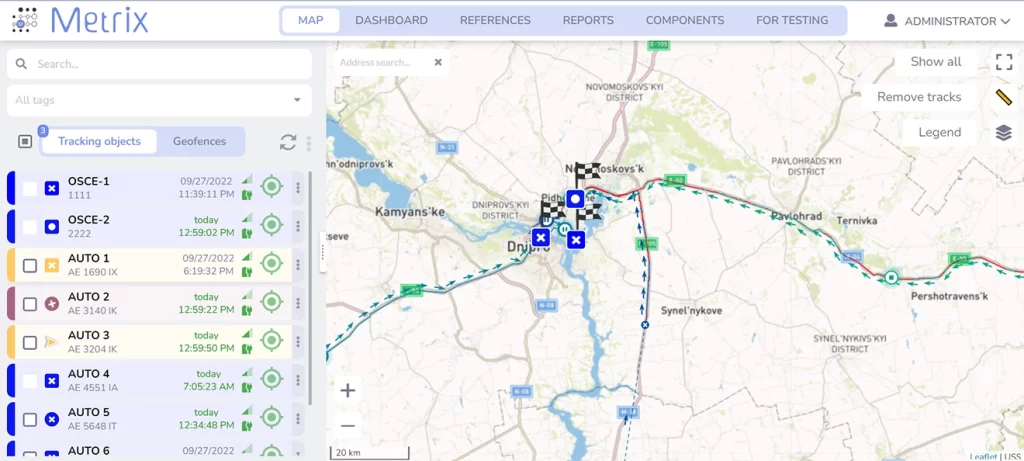
One of the most practical and valuable applications of IoT today is IoT asset tracking. Simply put, it is the use of connected sensors and tags to know exactly where your assets are — at any time, from anywhere.
For a logistics company, this could mean tracking thousands of shipping containers across multiple countries. For a hospital, it means knowing where every piece of expensive medical equipment is at any moment. For a construction company, it means monitoring heavy machinery spread across different job sites.
How IoT Asset Tracking Works
The system typically involves:
- Tags or sensors attached to assets (GPS trackers, RFID tags, Bluetooth beacons)
- A network to transmit location and condition data (cellular, Wi-Fi, LoRaWAN)
- A cloud dashboard where managers see real-time location maps and alerts
IoT asset tracking reduces losses, improves maintenance scheduling, speeds up audits, and can even monitor the condition of sensitive items (temperature for pharmaceuticals, shock detection for fragile goods).
Used Smart Cars and IoT: The Connected Vehicle Revolution
Buying a used smart car today is very different from buying a used car ten years ago. Modern connected vehicles are packed with IoT features — and they come with both exciting benefits and a few things worth thinking about.
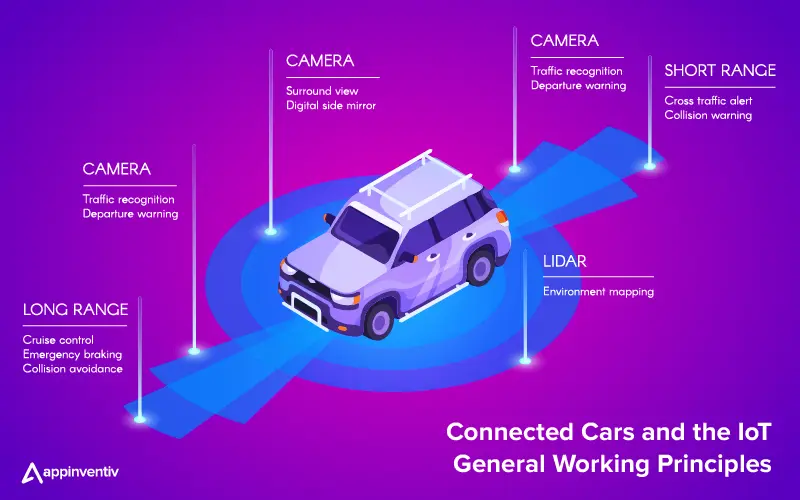
Today’s smart cars can connect to your phone, stream real-time traffic data, receive over-the-air software updates, track driving behavior, and even communicate with other vehicles or road infrastructure. Tesla, for instance, has updated its cars’ autopilot capabilities remotely via software — no dealership visit needed.
What to Check When Buying a Used Smart Car
- Check whether the car still receives software and security updates from the manufacturer.
- Reset all connected accounts and remove previous owner data from the infotainment system.
- Verify that any subscription-based IoT features (remote start, stolen vehicle tracking) can be transferred or reactivated.
- Review the manufacturer’s data privacy policy — smart cars collect a surprising amount of driving data.
Internet of Things Keywords: Understanding the Language of IoT
As IoT grows, so does the vocabulary around it. Whether you’re reading a job posting, a news article, or a product description, knowing key internet of things keywords helps you navigate the space with confidence.
Essential IoT Terms to Know
- IoT Device: Any physical object embedded with sensors, software, and connectivity to exchange data.
- Edge Computing: Processing data near the source (on the device itself or nearby) rather than sending everything to the cloud — faster and more private.
- MQTT: A lightweight messaging protocol popular in IoT for sending small packets of data efficiently.
- Digital Twin: A virtual replica of a physical device or system, used for simulation and monitoring.
- M2M (Machine-to-Machine): Devices communicating directly with each other without human involvement.
- Firmware: The permanent software programmed into a hardware device that controls how it operates.
- Actuator: The component of an IoT device that takes action in the physical world — a motor, a valve, a speaker.
- Define Allow: In IoT security and network configuration, “allow” rules define which devices or types of traffic are permitted to connect or communicate on a network — a critical tool in keeping IoT environments safe.
Real-World Challenges: IoT in Public Infrastructure
IoT doesn’t always go smoothly. A real-world example that illustrates the challenges: reports of Horizon Science Academy air conditioning issues — a case where HVAC systems in a connected building environment experienced failures tied to control system management. This highlights a crucial point: when critical infrastructure relies on connected technology, system reliability and regular maintenance become even more important.
Smart building systems — controlling HVAC, lighting, access control, and energy management — are increasingly IoT-powered. When they work well, they reduce costs and improve comfort significantly. But they also require:
- Reliable internet connectivity with backup options
- Regular software and firmware updates
- Clear protocols for what happens when connectivity is lost
- Staff trained to manage both the technology and fallback manual systems
This is why IoT deployment in schools, hospitals, and public buildings requires careful planning — not just plugging in devices and hoping for the best.
The Future of IoT: Where Is This All Heading?
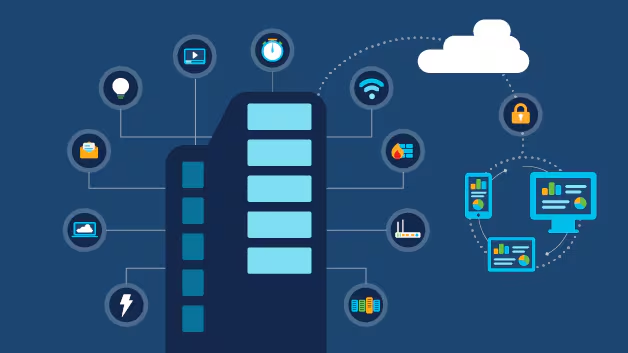
The IoT market is enormous — and growing fast. Analysts project there will be over 30 billion connected IoT devices worldwide by 2030. The combination of faster 5G networks, cheaper sensors, and more powerful AI is accelerating what’s possible.
Here are trends worth watching:
- AI + IoT (AIoT): Devices that don’t just collect data but make intelligent decisions on their own.
- Edge AI: Running machine learning models directly on IoT devices rather than in the cloud — faster, more private.
- Smart Cities: Fully connected urban environments where everything from traffic to waste management is optimized by IoT.
- Healthcare IoT: Continuous remote patient monitoring, smart pills that track whether medication is taken, and AI-powered diagnostics.
- Sustainable IoT: Using connected sensors to reduce energy waste, manage resources better, and support environmental goals.
Link to a credible source such as the IoT Security Foundation or a McKinsey/Gartner report on IoT market size for added EEAT credibility.
Conclusion
IoT devices are not just a tech buzzword — they are reshaping how we live, work, and interact with the world around us. From a smart thermostat that saves you money on energy bills to an industrial sensor preventing a factory breakdown, the Internet of Things is quietly making things smarter, more efficient, and more connected.
The key takeaways from this guide:
- IoT connects physical objects to the internet so they can collect and share data.
- Real-world IoT examples include smart homes, connected cars, healthcare devices, and industrial sensors.
- IoT development requires hardware, software, connectivity, and cloud expertise.
- IoT device security is critical — simple habits like changing default passwords make a big difference.
- IoT asset tracking is transforming logistics, healthcare, and facility management.
- The future of IoT is tied closely to AI, 5G, and smart city infrastructure.
Whether you’re a curious beginner or someone exploring IoT for professional reasons, the most important step is just to keep learning. This technology will only become more central to everyday life in the years ahead.
Frequently Asked Questions About IoT Devices
Q1: What is an IoT device in simple terms?
An IoT device is any physical object that has sensors, software, and internet connectivity built in so it can collect and share data automatically. Examples include smart thermostats, fitness trackers, connected cars, and industrial sensors.
Q2: What are the most common examples of IoT in daily life?
Some of the most common everyday IoT examples include smart speakers (like Amazon Echo), fitness wristbands, smart TVs, Wi-Fi-connected security cameras, smart doorbells, connected washing machines, and in-car navigation and diagnostic systems.
Q3: Why is IoT device security important?
IoT device security matters because connected devices can be entry points for hackers. A poorly secured smart device on your home network can potentially give attackers access to your personal data or other devices on the same network. Basic steps like changing default passwords and updating firmware significantly reduce your risk.
Q4: What is IoT asset tracking used for?
IoT asset tracking is used to monitor the real-time location and condition of physical assets — from shipping containers and vehicles to hospital equipment and construction machinery. It reduces loss, improves efficiency, and enables predictive maintenance.
Q5: How is IoT development different from regular software development?
IoT development involves working across multiple layers at once — embedded hardware, low-level firmware, wireless communication protocols, cloud platforms, and user-facing apps. It requires knowledge of both physical devices and digital systems, which makes it a more multidisciplinary field than traditional software development.